
2026 Lunar New Year Post-Holiday Slimming Guide: Regain Your Lightness and Confidence!

1. Understand What’s Happening – Start with a “Quick De-bloating Phase”
2. Smart Eating – Enjoy Food Without Starving
3. Exercise Plan – Move More, Burn Fat, Build Muscle
4. Lifestyle Habits – Sleep Well, Stay Consistent
5. Natural Boost – Recommended: Natural Fat Burner from Japan
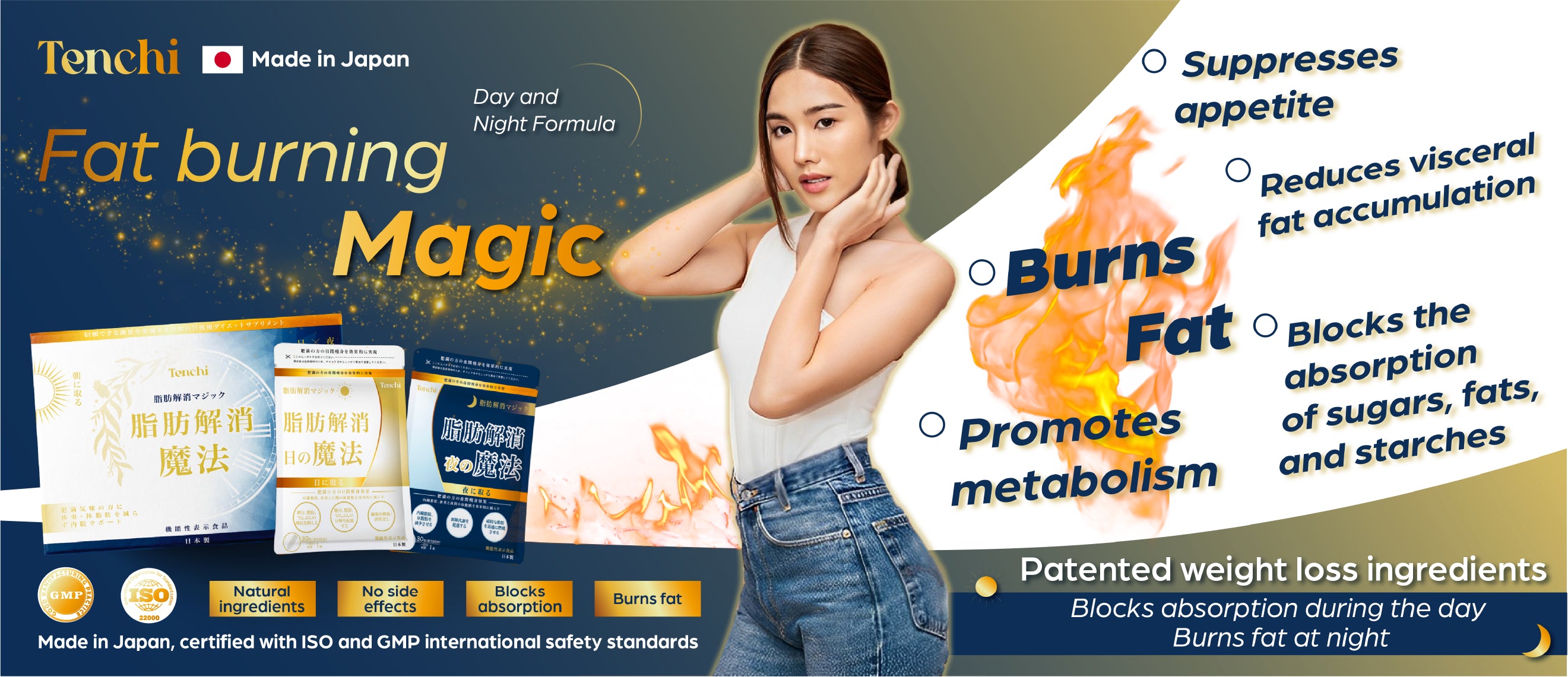
Many Hong Kong users report a noticeably slimmer waist after just the post-New Year period—especially helpful for busy office workers!


-
坐不定難專心?一條公式解鎖小朋友專注力時限!
Learn More「專心一點!不要動來動去!」是許多家長在陪孩子做功課時常說的話。孩子坐不住、注意力難以集中,經常讓家長感到無奈。究竟孩子能專注多久?有什麼方法可以幫助他們提升專注力?研究顯示,孩子的專注力時限與年齡有關,並且可以通過簡單的公式來估算,幫助家長解鎖小朋友專注力潛能,讓學習變得更有效率!
-

學識一招!輕鬆調整易瘦體質!
Learn More「減肥好難。」相信是很多人的共同心聲!因此減肥成為了很多人的一生使命!更有不少人為了瘦竟然節食減肥...剛開始可能很有效,在短時間內,就能減重2至3公斤,甚至更多。但經過一段時間後,就會遇到「瓶頸位」,復食後體重反彈,甚至可嚴重影響健康!
-

日韓女星最愛黑咖啡減肥法 3個時段快速燃燒卡路里
Learn More黑咖啡因其低熱量和高咖啡因特性,成為日韓女星減肥的秘密武器。無糖、無奶的黑咖啡(如美式咖啡或Long Black)熱量僅約9卡路里,卻能有效促進新陳代謝、抑制食慾並加速脂肪燃燒,深受追求苗條身材的明星喜愛。不少日韓女星都曾公開分享透過黑咖啡輔助減肥的經驗,甚至有日本搞笑藝人真理子在一年內靠咖啡減肥法成功減重49公斤!本文介紹黑咖啡減肥的科學原理,以及3個飲用黑咖啡的最佳時段,助你快速燃燒卡路里!
-

家長必看!揭秘5大長高關鍵 助孩子突破遺傳!
Learn More身高對於孩子的成長總是一個備受關注的話題。許多家長認為,孩子的身高完全取決於父母的基因,彷彿遺傳是一道無法逾越的牆。然而,科學研究表明,遺傳僅影響身高的60-80%,其餘20-40%則取決於後天因素,尤其是營養攝取、運動習慣和睡眠質量。在孩子的黃金成長階段,均衡的飲食不僅能支持身體發育,還能幫助孩子突破基因限制,實現更高的身高潛能。作為家長,了解如何透過飲食助力孩子成長,是給予他們健康未來的關鍵一步。


